
Mole
Moles are common skin growths that can appear anywhere on the body. While most are harmless, some may require medical evaluation or removal for cosmetic reasons or to rule out any potential health concerns. Modern treatments allow safe and effective management with minimal impact on surrounding skin.
What is a Mole?
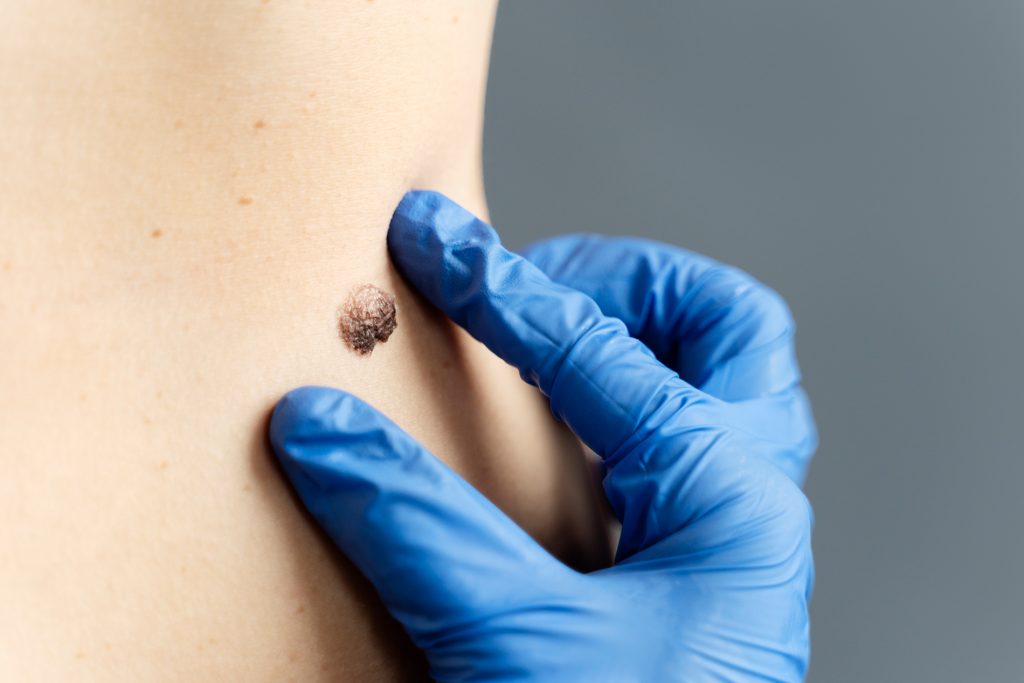
A mole, also known as a nevus, is a cluster of pigmented skin cells that appears as a dark spot or raised growth. Moles can vary in size, shape, and color, and may be present from birth or develop over time.
Most moles remain stable, but any changes in their appearance should be assessed by a specialist.
When is Treatment Recommended?
Treatment or evaluation is recommended if:
- A mole changes in size, shape, or color
- The borders become irregular or uneven
- There is itching, bleeding, or discomfort
- The mole becomes raised or grows rapidly
- Removal is desired for cosmetic reasons
Early assessment helps ensure proper diagnosis and care.
What Areas Can Be Treated?
Mole treatment can be performed on:
- Face and neck
- Arms and hands
- Back and torso
- Any visible or affected skin area
Benefits of Mole Treatment
- Removes or reduces visible moles
- Improves skin appearance and confidence
- Allows proper medical evaluation
- Minimally invasive procedures available
- Quick and effective results
Procedure Overview
- Consultation
Examination of the mole and medical assessment. - Treatment Planning
Selection of the appropriate removal method. - Procedure
Safe removal using surgical or non-surgical techniques. - Recovery
Healing with minimal downtime and follow-up if needed.
Types of Treatment
- Surgical excision
- Laser removal (in selected cases)
- Shave removal techniques
- Biopsy for diagnostic evaluation
Why Choose Professional Mole Treatment?
Mole treatment provides a safe and effective way to manage both cosmetic and medical concerns. With proper evaluation and expert care, it ensures accurate diagnosis and improved skin appearance with minimal risk.
Most moles are harmless, but changes in appearance should always be evaluated.
The procedure involves minimal discomfort, as local anesthesia is usually used.
Scarring is usually minimal and depends on the size and method of removal.
In most cases, removed moles do not return, especially with complete excision.
Spcialities