
Brachial Plexus / Nerve Treatment

Brachial plexus and nerve treatments focus on diagnosing and managing injuries or conditions affecting the network of nerves that control movement and sensation in the shoulder, arm, and hand. Timely care is essential to restore function, reduce pain, and improve quality of life.


What is the Brachial Plexus?

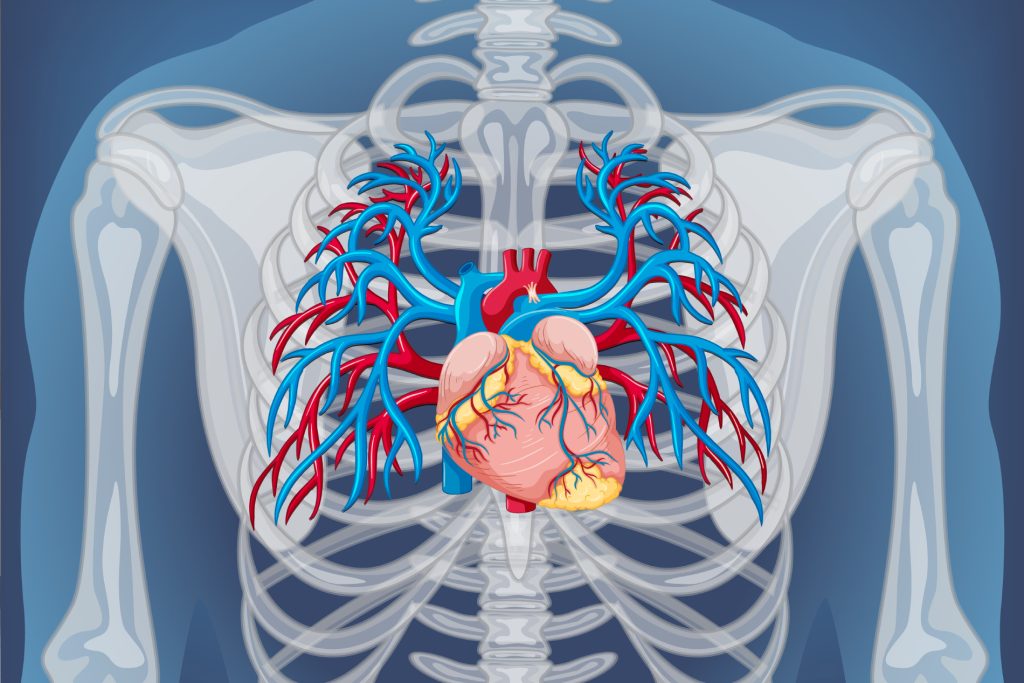
The brachial plexus is a complex network of nerves that originates from the spinal cord in the neck and extends through the shoulder into the arm. These nerves control muscle movement and provide sensation to the upper limb.

Injury or damage to these nerves can affect strength, coordination, and sensation.


When is Treatment Recommended?

Evaluation and treatment are recommended if you experience:

  • Weakness or loss of movement in the arm or hand
  • Numbness or tingling sensations
  • Persistent pain in the shoulder or arm
  • Loss of coordination or grip strength
  • Injuries caused by trauma, accidents, or birth-related conditions

What Areas Can Be Affected?

Brachial plexus injuries can impact:

  • Shoulder movement
  • Arm and elbow function
  • Hand and finger control
  • Sensory function of the upper limb

Benefits of Timely Treatment

  • Improves nerve function and recovery
  • Reduces pain and discomfort
  • Restores movement and coordination
  • Prevents long-term complications
  • Enhances overall quality of life

Procedure Overview

  1. Consultation & Diagnosis
    Clinical evaluation along with imaging and nerve studies.
  2. Treatment Planning
    Determining the best approach based on the severity of injury.
  3. Treatment
    May include surgical repair, nerve grafting, or non-surgical management.
  4. Rehabilitation & Recovery
    Physiotherapy and follow-up to restore strength and function.

Types of Treatment

  • Nerve repair and reconstruction
  • Nerve grafting or transfer
  • Physiotherapy and rehabilitation
  • Pain management and supportive care

Why Choose Professional Care for Brachial Plexus Injuries?

Brachial plexus injuries require a precise and structured approach to restore nerve function and movement. With early diagnosis and expert care, it is possible to achieve meaningful recovery and improve daily function.

Can nerve injuries heal on their own?

Some mild nerve injuries may recover over time, but more severe cases require medical or surgical treatment.

No, treatment depends on the severity of the injury. Some cases can be managed without surgery.

Recovery varies depending on the extent of nerve damage and may take several months.
Yes, physiotherapy plays a key role in restoring movement and strength after treatment.